Are There Free Bank Accounts in Sweden?
When you first land in Sweden, still buzzing from the move and likely grappling with a million new things, the thought of simply opening a bank account might seem like a straightforward task. But oh, if only it were that simple! Many of us expats arrive with the idea that banking should be "free" – a concept that, while common in some home countries, quickly proves to be a bit of a mirage in the Swedish financial landscape. The reality is often a bit more nuanced, and frankly, a bit more costly, especially in the beginning. This guide will walk you through what to realistically expect when looking for a bank account in Sweden and how to navigate the costs involved.
The Elusive "Free": Understanding Swedish Bank Account Costs for Newcomers
Let's be brutally honest from the get-go: finding a truly "free" bank account in Sweden, especially as a new arrival, is like finding a perfectly sunny, warm day in February – rare, unexpected, and probably too good to be true. The Swedish banking system operates differently from what many foreigners are used to. While you might not see explicit "monthly fees" advertised in the same way, costs are often bundled into service packages, tied to digital identification, or simply absorbed into the general cost of living here.
The Personnummer Predicament: Why it's Central to Banking Costs
The single biggest hurdle, and often the source of many banking "costs" (both monetary and in terms of convenience), is the lack of a Getting Your Personnummer: The Gateway to Swedish Healthcare. Without this 10-digit personal identity number issued by Skatteverket, your options are severely limited. Most major Swedish banks – think Swedbank, SEB, Handelsbanken, and Nordea – are extremely hesitant, if not outright refusing, to open a full-service account for someone without a Personnummer.
Why is this? Well, the Personnummer is your key to pretty much everything in Swedish society. It links you to the tax agency, healthcare system, and critically, allows banks to properly identify you for anti-money laundering regulations and to issue you essential services like BankID. When you can find a bank willing to open an account without one, it's typically a basic account with very limited functionality, often without access to online banking, Swish, or BankID. These basic accounts might not have a direct monthly fee, but the lack of digital services means you'll spend more time and effort managing your money, which is a cost in itself. Furthermore, banks might be more stringent with documentation or require larger initial deposits for non-Personnummer holders, adding to the initial burden. For a deeper dive into this, check out our guide on Can I Open a Swedish Bank Account Before I Get My Personnummer?.
Initial Costs and Hidden Fees to Watch Out For
Even once you have your Personnummer, don't expect a red carpet of entirely free services. Swedish banks generally operate on a model where basic accounts for salary and everyday payments might appear "free," but they often come as part of a package. This package will typically include:
- Bank Card (Debit Card): Usually included, but some premium cards might have annual fees.
- Online Banking Access: Standard.
- Mobile Banking App: Standard.
- BankID: This is the big one. While BankID itself might not have a separate monthly fee, it's intrinsically linked to your relationship with a Swedish bank. Many banks offer BankID as part of their standard customer package, but if you're only using a bare-bones account, you might find yourself without access to this crucial digital identification. Without BankID, participating in cashless Sweden, signing documents digitally, or using public services like 1177.se and Skatteverket online becomes incredibly difficult. Understanding Getting BankID: Sweden's Essential Digital Identity is non-negotiable.
- Swish: Sweden's ubiquitous instant payment system. This is usually free to use for personal payments but requires BankID to set up and operate.
Where you might encounter less obvious fees are:
- International Transfers: Sending or receiving money internationally can incur fees, both from your Swedish bank and intermediary banks. This is where services like Wise often shine, providing more transparent and lower-cost options compared to traditional banks.
- ATM Withdrawals (especially abroad): While ATM withdrawals within Sweden are generally free from your own bank's ATMs (or sometimes from any bank's ATMs), withdrawing cash internationally almost always comes with a fee and a less favourable exchange rate.
- Credit Cards: Credit cards usually come with annual fees, though some premium packages might waive them if you meet certain criteria.
- Account Maintenance for Non-Residents/Inactive Accounts: If you leave Sweden or stop using your account, some banks might start charging maintenance fees.
It's crucial to read the fine print or, better yet, ask specific questions about all potential fees when you're speaking with a bank representative. Remember, clarity is key, and sometimes it takes persistent questioning to get a full picture of the costs.
Navigating the Swedish Banking Landscape
Once you're armed with your Personnummer, the world of Swedish banking opens up significantly. However, choosing the right bank still requires a bit of foresight.
Traditional Banks and Their Package Deals: Swedbank, SEB, Handelsbanken, and Nordea
These are the "big four" that dominate the Swedish market. They offer comprehensive services, a physical presence, and are generally well-integrated with all aspects of Swedish society.
- Swedbank: Often seen as a popular choice, especially outside major cities, due to its wide branch network. They generally offer standard packages that include a debit card, online banking, and BankID. Customer service can vary by branch, but they are very accustomed to dealing with new arrivals.
- SEB: Known for being a bit more corporate and often catering to clients with higher income or more complex financial needs, though they also have personal banking. They offer competitive digital services.
- Handelsbanken: They pride themselves on local branch presence and personal service, often assigning you a personal advisor. This can be a huge plus for new expats who appreciate a human touch when navigating a new system. Their fees might sometimes be perceived as slightly higher, but the personalized service can be invaluable.
- Nordea: A large Nordic bank with a strong presence in Sweden. They offer a full range of services and have invested heavily in digital solutions. They also frequently have English-speaking staff.
Most of these banks offer various "package deals" that combine a checking account, a debit card, online banking, and BankID for a single monthly or annual fee. Sometimes, these fees are waived if you meet certain conditions, such as having a salary paid directly into the account (often above a certain threshold), or being a student. For instance, some banks offer student accounts with no monthly fees, a great option if you're here to study. When considering Choosing a Bank in Sweden: Swedbank, SEB, Handelsbanken, and Nordea, remember that it's about matching their offerings to your needs.
Digital Alternatives and Fintech Options
While the traditional banks are the bedrock, the digital financial landscape is evolving, offering some alternative ways to manage your money, especially for international transactions or as a bridge solution.
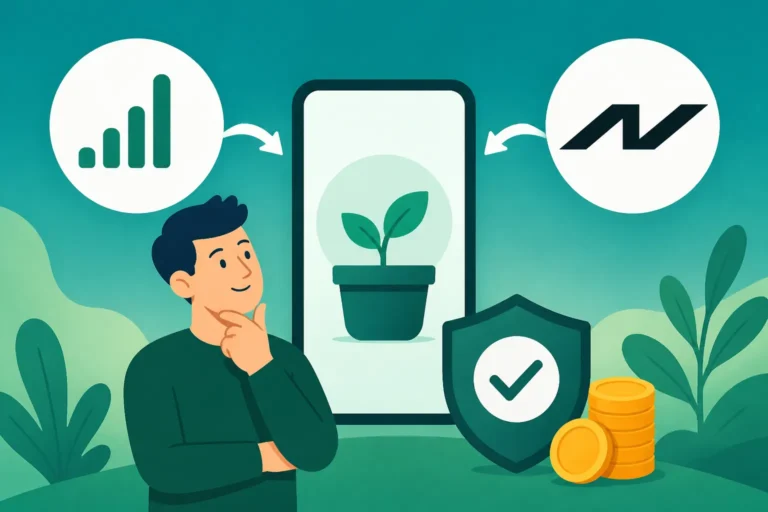
- Challenger Banks (e.g., N26, Revolut): While not Swedish, many expats use these European digital banks as their primary account or for travel. They often boast zero or very low monthly fees, excellent apps, and competitive exchange rates for international spending. However, they do not provide a Swedish BankID, which is a major drawback for integration into Swedish society. You'll still need a traditional Swedish bank account for that. They can be excellent for managing spending in multiple currencies and for quick transfers to other users, but they are not a replacement for a full Swedish banking relationship.
- Wise (formerly TransferWise): This is where Wise comes in as a powerhouse for international money transfers. While not a full-service bank in Sweden in the traditional sense, Wise offers a multi-currency account that allows you to hold, send, and receive money in SEK (and many other currencies) with highly competitive exchange rates and transparent fees. You can get local bank details for many countries, including a Swedish bank account number (IBAN), which can be incredibly useful for receiving salaries or payments from abroad without incurring exorbitant fees that traditional banks might charge. Many expats use Wise for transferring their savings from their home country to Sweden, or for receiving income from international clients, then moving it to their main Swedish bank account. It's often significantly cheaper than initiating an international transfer through a traditional Swedish bank.
Table: Key Banking Features and Common Costs to Consider
| Feature/Cost | Traditional Swedish Banks (e.g., Swedbank, Nordea) | Digital Alternatives (e.g., Revolut, N26) | Wise Multi-currency Account |
|---|---|---|---|
| Account Opening | Requires Personnummer (mostly) | Simple, often just ID & proof of residence (EU) | Simple, online with ID |
| Monthly/Annual Fee | Often bundled in packages, sometimes waived (e.g., student, salary threshold) | Typically free for basic tier, premium tiers have fees | Free to open, small fees for cards/transfers |
| Debit Card | Usually included | Included, virtual cards common | Included with small fee, virtual cards free |
| BankID/Swish | YES, essential for Swedish life | NO | NO |
| Physical Branches | Yes | No | No |
| Online/Mobile Banking | Yes, full suite of services | Yes, app-focused | Yes, app-focused |
| International Transfers | Often higher fees & less favourable rates | Good rates, low/no fees on basic tiers | Excellent rates, transparent low fees |
| Receiving SEK Payments | Yes, with Personnummer | Limited to specific EU IBANs | Yes, with local SEK bank details (IBAN) |
| ATM Withdrawals (abroad) | Fees apply, often poor exchange rates | Often free up to a limit, then fees | Often free up to a limit, then fees |
| Credit Cards | Available, usually with annual fees | Limited or no credit card options | No credit card options |
Making Every Krona Count: Practical Tips and Financial Ecosystem Considerations
Beyond the initial setup, how you manage your money day-to-day can also impact your overall banking "cost" in Sweden.
Understanding Different Account Types and Their Fees
When you sit down with a bank, they will likely offer you different account types or "packages." Don't just default to the first one. Ask:
- Are there student packages? If you're a student, these are almost always the cheapest option.
- Are fees waived if I deposit my salary? Many banks offer free banking if your monthly salary (often above a certain amount) is paid into the account.
- What is included in the "standard" package? Ensure it covers online banking, BankID, and a debit card without extra charges.
- What are the fees for international transactions? This is particularly important if you frequently send money home or receive payments from outside Sweden. This is a critical area where services like Wise can save you a significant amount over the year compared to traditional bank charges.
It's also worth noting that some banks might offer different tiers of customer relationships. For instance, being a member of certain unions or professional organizations might unlock slightly better banking deals or discounts, so it's always worth enquiring if you're part of such a group.
The Value of BankID and Associated Costs
I cannot stress this enough: BankID is not just a convenience; it's a fundamental part of living in Sweden. From booking doctor appointments via Booking Doctor Appointments Online Through 1177.se with BankID to dealing with Skatteverket for your taxes, paying bills with Swish, or even just picking up packages, BankID is everywhere. The "cost" of not having it is immense in terms of time, hassle, and restricted access to services.
While BankID itself is usually issued by your bank for free as part of your customer relationship, the underlying bank account (which enables you to get BankID) might have associated fees. Therefore, when evaluating if a bank account is "free," you must factor in the cost (or lack thereof) of getting and maintaining BankID access. Without a Swedish bank account that supports BankID, you're essentially operating in a parallel, less efficient financial universe.
How to Compare Banks and Choose the Right Fit
Don't be afraid to shop around! Visit a few different banks or at least check their websites for "new customer" or "private customer" sections. Look for:
- English-speaking staff: Crucial for clear communication. Most major bank branches in larger cities will have this.
- Online application process: Some banks might allow you to start the process online, which can save time.
- Clear fee structures: Transparency is key. If it's hard to find their fee list, that's a red flag.
- Proximity of branches/ATMs: While Sweden is largely cashless, sometimes a physical branch is handy, especially for initial setup.
- Reviews from other expats: Online expat forums often have discussions about which banks are most expat-friendly.
Remember that once you're established, it is possible to How Do I Switch Banks in Sweden? if you find a better deal or service elsewhere.
Beyond Monthly Fees: Other Financial Considerations
Your bank account is just one piece of your financial puzzle in Sweden. Understanding the broader picture helps you manage costs effectively.
International Money Transfers and Currency Exchange
This is an area where "free" often disappears rapidly. Sending money to your home country, or receiving funds from abroad, can eat into your savings quickly with unfavorable exchange rates and hefty transfer fees if you use traditional bank services. This is precisely why platforms like Wise have become indispensable for expats.
Using Wise, you can:
- Send money internationally: Often at significantly lower costs and better exchange rates than traditional banks, with transparent fees upfront.
- Receive money in multiple currencies: If you get paid in a different currency, or have family sending you money, Wise can offer local bank details for various currencies, enabling them to send money to you as a local transfer, avoiding international fees. You can then convert it to SEK at a mid-market rate and transfer it to your Swedish bank.
This approach effectively makes your international money management much more "free" by reducing these often-hidden costs. It's a smart strategy for anyone with financial ties outside Sweden.
Connecting Banking to Your Broader Swedish Financial Life
Your bank account doesn't exist in a vacuum. It's the central hub for your salary, bills, and your connection to the Swedish tax system. Once you're earning, you'll need to understand things like Understanding Your Swedish Payslip and Preliminärskatt. Having a well-functioning, integrated bank account simplifies tax filing and ensures you can receive any tax refunds.
For expats, the complexities of international taxation can often feel overwhelming. This is where resources like Taxes for Expats can be incredibly helpful. While not directly a bank, understanding how your banking activities (e.g., international transfers, foreign income) impact your tax obligations is crucial. Services like Taxes for Expats specialize in helping foreign residents navigate the intricacies of Swedish tax law, ensuring you're compliant and not missing out on any deductions. They can help clarify how your bank accounts and financial flows interact with your annual Filing Your Swedish Tax Return (Deklaration): What You Need to Know. Managing your banking efficiently is the first step in ensuring your overall financial life in Sweden is well-organized and as "cost-free" as possible.
Remember, while the dream of a truly "free" bank account might remain just that in Sweden, being informed and strategic about your choices can significantly minimize your banking expenses and make your financial life much smoother.
Disclaimer
The information provided in this guide is for general informational purposes only and does not constitute financial or legal advice. Banking terms, fees, and regulations in Sweden can change. Always consult with a financial advisor or the specific bank for the most current and accurate information tailored to your personal situation.