Booking a Biometrics Appointment at an Embassy or in Sweden
Oh, the infamous biometrics appointment! You’ve finally navigated the labyrinthine process of applying for your Swedish residence permit, you’ve hit “submit,” and now you’re probably thinking, “Great, what’s next?” Well, my friend, before that coveted residence permit card (the UT-kort) lands in your mailbox, there’s one more crucial hurdle: the biometrics appointment. This guide is here to demystify that essential step, whether you're still in your home country or already enjoying a Swedish fika.
The Essential Next Step After Your Permit Application
You’ve poured over the Migrationsverket website, gathered what felt like a hundred documents, maybe even had some of them officially translated through services like RushTranslate or Translayte to ensure everything was perfect for your initial application, and finally sent it all off. There’s a huge sigh of relief, right? But then comes the notification: time for biometrics. It can feel like just another hoop to jump through, another administrative step that delays you from truly settling in. Trust me, I’ve been there, staring at that email wondering why it couldn’t all be done at once. But this step is absolutely critical, and understanding why makes it a little less frustrating.
What Are Biometrics and Why Are They Necessary?
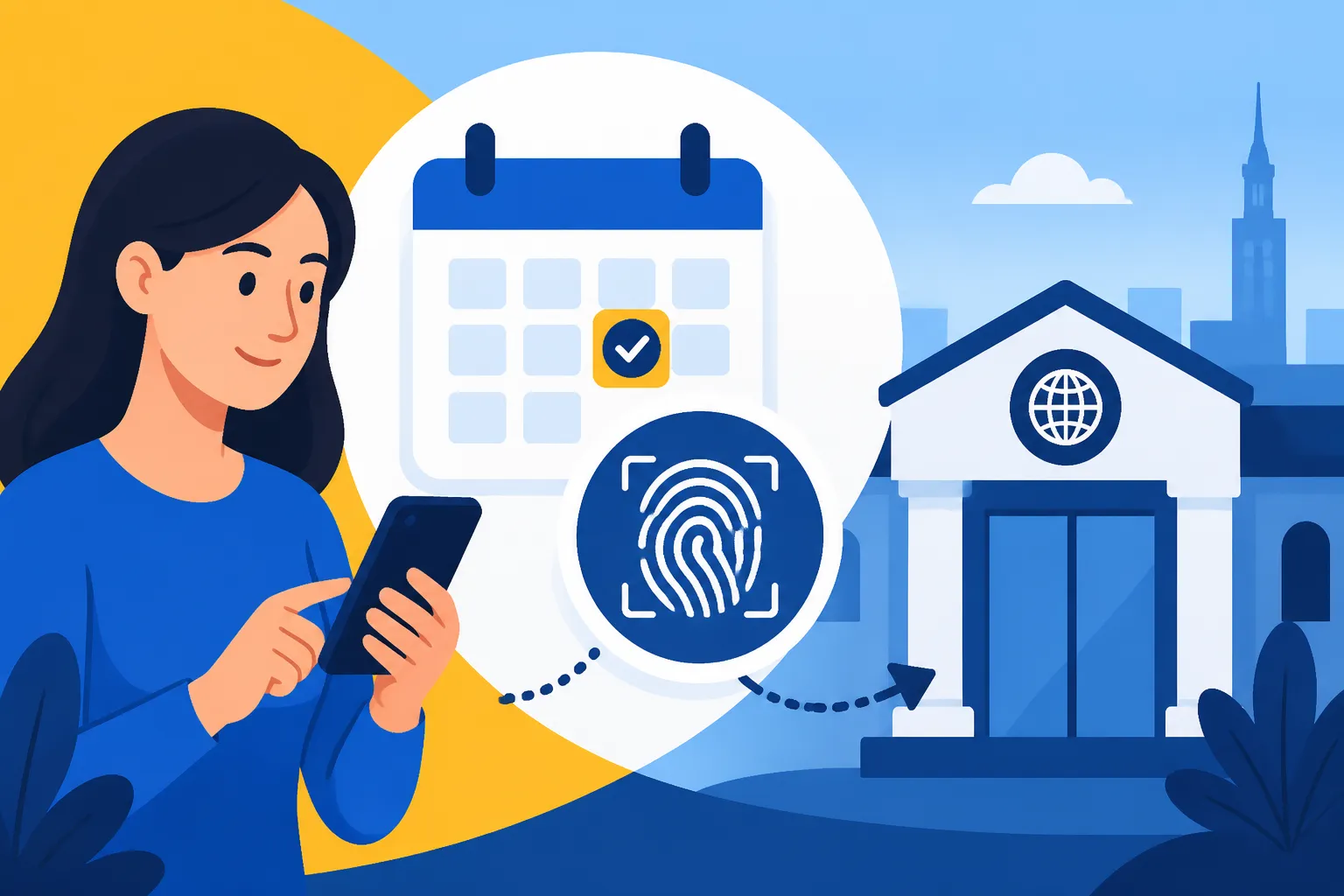
In the context of your Swedish residence permit, biometrics primarily involve collecting your fingerprints, taking a digital photograph, and capturing your signature. These three pieces of information are vital for two main reasons: firstly, they verify your identity in a secure, unambiguous way, linking you directly to your application. Secondly, and perhaps more importantly for your day-to-day life, these biometrics are what will be embedded onto your physical residence permit card, known in Sweden as the UT-kort.
Think of the UT-kort as your key to a lot of things. It’s not just a fancy ID; it's proof of your legal right to reside in Sweden. The card needs to be secure and contain unique identifiers that can't be easily forged or duplicated, and that's where your biometrics come in. It’s an essential security feature for both you and the Swedish authorities, ensuring the integrity of the immigration system. Without these details, your card simply cannot be produced, and your journey to fully settling in will hit a snag.
Who Needs to Provide Biometrics?
Generally speaking, almost everyone who applies for a Swedish residence permit that will result in a physical card needs to provide biometrics. This applies whether you're moving for work, study, or family reunification. There are some exceptions, of course, but for most non-EU/EEA citizens, it's a mandatory part of the process.
Children under a certain age (typically six years old) are usually exempt from providing fingerprints, but they still need to have their photo taken and their signature captured (or have their guardian sign on their behalf). Even if you're renewing a permit, you might need to provide biometrics again, especially if your appearance has changed significantly or if your previous biometrics were taken a long time ago. Always double-check the specific instructions from Migrationsverket or the embassy/consulate relevant to your situation, as the rules can shift slightly. This requirement ensures that your official identification is always up-to-date and reliable.
Booking Your Biometrics Appointment Outside Sweden (At an Embassy/Consulate)
For many people applying from outside Sweden, providing biometrics is often the very last step before you can pack your bags and move. It's a crucial checkpoint that you absolutely must clear while still in your home country. You see, the whole idea is that the UT-kort needs to be ready or at least in production before you arrive in Sweden. Trying to enter Sweden without the process complete can lead to complications at the border, even if your permit has been granted.
The Process: Step-by-Step for Overseas Applicants
Once Migrationsverket has made a positive decision on your residence permit application, they will send you an email notification. This email is your green light to proceed with the biometrics. Here's how it generally works:
- Confirm the Decision: First and foremost, make sure you've received an official decision from Migrationsverket. Don't book anything until you have this, as the embassy will need to verify your application. You can often track your application status through your "My Page" on the Migrationsverket website.
- Locate Your Nearest Mission: Identify the Swedish embassy or consulate in your country of residence that handles migration affairs. Not all consulates are full-service, so ensure it’s one equipped to take biometrics. A quick search on the Swedish Ministry for Foreign Affairs website for "Swedish embassy [your country]" or "Swedish consulate [your city]" should point you in the right direction.
- Booking the Appointment: This is where it can get a little varied. Some larger embassies have dedicated online booking systems specifically for biometrics appointments, similar to what you might use for visa applications. Others might require you to send an email to a specific address, outlining your application details and requesting an appointment, after which they’ll provide available slots. A few might even ask you to call. Always check the specific embassy's website under their "Visas and Permits" or "Coming to Sweden" sections for their exact procedure. For instance, the Swedish Embassy in Washington D.C. has clear instructions on their website about scheduling.
- Gather Required Documents: When you attend your appointment, you absolutely must bring your valid passport (the same one you used for your application) and a printout of the decision letter from Migrationsverket. This letter contains your application number and is critical for the embassy staff to locate your file. Sometimes, they might also ask for other original documents that were part of your application, so it's wise to have them handy, just in case.
- Attend the Appointment: At the embassy or consulate, the staff will take your digital fingerprints, typically from both hands, scan your passport for your photo, and capture your digital signature. The process itself is usually quick and straightforward once you're there.
Tips for a Smooth Overseas Appointment
Going through this process from abroad can have its own set of challenges, especially if you live far from your country's capital or the only Swedish mission.
- Book Early: As soon as you get your positive decision, don't delay in booking your biometrics appointment. Embassies, especially in countries with high application volumes, can have long waiting times for appointments. Missing this window can delay your move to Sweden.
- Check Specific Requirements: Each embassy can have slight variations in their exact requirements. Some might ask you to bring a passport-sized photo (even if they take a digital one), while others might require you to fill out a specific local form beforehand. Always meticulously check their website or any communication they send.
- Be Aware of Honorary Consulates: Many countries have honorary consulates in various cities. While these can be helpful for certain administrative tasks, they often cannot perform biometrics. Ensure you are booking with a full-fledged embassy or general consulate equipped for migration services.
- Plan Your Travel: If you live far from the embassy, factor in travel time and costs. This appointment is non-negotiable, so make sure you can get there. It’s one of those expenses you just have to factor into the entire moving budget.
- Language Preparedness: While embassy staff usually speak English, having any communication from Migrationsverket translated if it's not in English or Swedish, perhaps using a service like Translayte, could be beneficial for your understanding, although not typically required for the appointment itself. For the initial permit application, certified translations of documents are often explicitly needed.
Booking Your Biometrics Appointment Inside Sweden (At Migrationsverket)
For some lucky individuals, particularly EU/EEA citizens who've registered their right of residence or those granted permission to enter Sweden while their application is processed (like certain family reunification cases), you might find yourself needing to provide biometrics once you've already arrived in the country. This means dealing directly with Migrationsverket offices in Sweden, which is a slightly different experience than going to an embassy abroad.
How to Schedule Your Appointment in Sweden
If you're already in Sweden, the process of scheduling your biometrics appointment primarily happens through Migrationsverket's own booking system.
- Online Booking is King: The easiest and most recommended way to book your appointment is via the Migrationsverket website. They have an online booking portal where you can select an office, date, and time that works for you. You'll usually need your application reference number. This system is generally efficient, showing available slots across various offices.
- The BankID Hurdle: If you've been in Sweden for a while and have a personnummer, you’ve probably already encountered Getting BankID: Sweden's Essential Digital Identity. Having a BankID makes everything in Sweden ridiculously easy, including booking appointments online. You just log in, and your details are pre-filled. If you don't have a personnummer yet, or haven't been able to get BankID, you can usually still book as a guest using your application number and personal details. It’s slightly more cumbersome but entirely possible.
- Walk-In Options (Use with Caution): While some Migrationsverket offices do accept walk-ins for biometrics, it's increasingly discouraged and often leads to very long waiting times, or you might even be turned away if the office is too busy. It’s generally far less stressful to book online if you can. Always check the specific office's webpage on Migrationsverket for their current policy on walk-ins. During peak times, you could literally spend hours waiting, only to be told to come back another day. Avoid the frustration, book online.
Migrationsverket Offices: Where to Go
Migrationsverket has several service centers across Sweden where you can provide biometrics. These offices are designed to handle various immigration-related matters, but not all of them offer every service. For biometrics, you'll want one of the larger service centers.
Here’s a snapshot of some key locations for biometrics:
| City | Address (Example) | Notes |
|---|---|---|
| Stockholm | Vasagatan 8-10, Stockholm | Central location, usually very busy. Online booking highly recommended. |
| Gothenburg | Bergslagsgatan 2, Göteborg | Another major hub, expect queues if no appointment. |
| Malmö | Kattsundsgatan 6, Malmö | Important office for southern Sweden. |
| Norrköping | Slottsgatan 82, Norrköping | Migrationsverket's headquarters, handles a large volume of cases. |
| Sundsvall | Nytorgsgatan 4, Sundsvall | Serving the central and northern regions. |
| Växjö | Norra Esplanaden 13, Växjö | Key office in southern Sweden. |
| Umeå | Östra Kyrkogatan 2, Umeå | For those further north. |
Always verify the exact address and opening hours on the official Migrationsverket website before you head out. Sometimes, specific offices have dedicated days or times for certain services, so a quick check can save you a wasted trip. For example, some offices might have different hours for permit applications versus biometrics collection.
Required Documents and What to Bring
Preparing for your appointment within Sweden is similar to doing it abroad, but with a slight twist because you're already here.
- Valid Passport or National ID: This is paramount. You must bring the original valid passport or national identity card that you used when you submitted your residence permit application. They need to verify your identity against the document you provided.
- Decision Letter or Application Confirmation: While they can usually look up your application using your details, it’s always best practice to bring a printout of the decision letter or the confirmation that your permit application has been approved. This contains your crucial application number.
- Any Reference Numbers: Keep any and all reference numbers (e.g., control number, case number) handy. These help the staff quickly locate your file in their system.
- Original Supporting Documents (If Requested): Occasionally, Migrationsverket might have asked you to bring specific original documents to your biometrics appointment as a final check. This is rare for biometrics, but always review their communication carefully. Generally, all required documents, potentially including those you had professionally translated for accuracy via RushTranslate, would have been submitted with your initial application.
Common Challenges and Troubleshooting
The journey to getting settled in Sweden, including the biometrics appointment, isn't always smooth sailing. There are common frustrations and hurdles that many expats encounter. Being prepared for them can certainly help ease the stress.
Dealing with Delays and Long Waiting Times
One of the most frequent complaints from new arrivals, and even those renewing, is the sheer waiting time for appointments. Whether it's at an embassy abroad or a Migrationsverket office in Sweden, demand can often outstrip supply. This can be incredibly frustrating, especially if you’re on a tight schedule or your current permit is nearing its expiration.
- Check Frequently: If you can't find an immediate appointment, don't give up. Appointment slots can open up suddenly due to cancellations. Keep checking the online booking portal regularly – even multiple times a day.
- Flexibility is Key: If you have the flexibility, try looking at less popular times (e.g., early mornings, late afternoons) or considering offices outside of the major city centers. Sometimes taking a train to a smaller town’s Migrationsverket office can shave weeks off your waiting time. For example, if you're in Stockholm, looking at offices like Västerås or Uppsala might yield faster results.
- Proactive Renewal: If you’re renewing a permit, start the process well in advance. Migrationsverket recommends applying for renewal several months before your current permit expires. This gives you a buffer for any delays, including booking biometrics. Remember, you can usually stay in Sweden while your renewal application is being processed, provided you applied before your previous permit expired. More on that can be found in Renewing Your Swedish Residence Permit Before It Expires.
Language Barriers and Accessibility
While Sweden is generally an English-friendly country, especially in official settings, you might still encounter situations where language becomes a slight barrier.
- English-Speaking Staff: At Migrationsverket offices and Swedish embassies, there are almost always English-speaking staff members available to assist you. Don’t hesitate to ask for help if you don’t understand something in Swedish.
- Documentation: All official communication from Migrationsverket regarding your application and biometrics will typically be in Swedish and often in English. However, if you have original documents in another language that were critical for your initial permit application, ensuring they were correctly translated by a certified service like Translayte is paramount for validity. While not directly relevant for the biometrics appointment itself, the underlying application relies on accurate document submission.
- 1177 Vårdguiden and similar portals often offer services in multiple languages for healthcare, but for immigration, direct contact with Migrationsverket is your primary channel.
What if You Miss Your Appointment?
Life happens. Maybe you got stuck in traffic, misinterpreted the time, or had an unforeseen emergency. Missing your biometrics appointment isn't ideal, but it's not the end of the world, either.
- Rebooking: You will almost certainly need to rebook. Most online booking systems allow you to cancel and reschedule. If you were communicating via email with an embassy, you'd need to email them to explain and request a new slot.
- Potential Consequences: The main consequence of missing an appointment is a delay in getting your UT-kort. Migrationsverket will not process and send out your card until your biometrics are on file. This means your permit card will arrive later, which could impact travel plans or other administrative steps like getting your Swedish ID card (which often requires your permit card). You can often find out more about these connections in guides like Getting a Swedish ID Card After Your Personnummer.
After the Biometrics Appointment: What Happens Next?
So, you’ve done it! Fingerprints taken, photo snapped, signature saved. You walk out of the embassy or Migrationsverket office feeling a huge sense of accomplishment. But what now? The waiting game, my friend, the waiting game.
Processing Time and Card Delivery
Once your biometrics are successfully captured, Migrationsverket will then proceed to produce your residence permit card (UT-kort). The processing time for the card itself can vary. It’s generally stated to be a few weeks, but this can fluctuate depending on current workload, public holidays, and even postal services.
The card will be sent to the address you provided in your application. If you applied from outside Sweden, it will typically be sent to the Swedish embassy or consulate where you provided your biometrics, and they will then arrange for you to collect it. If you provided biometrics within Sweden, it will be mailed directly to your registered address in Sweden. This highlights the importance of making sure Registering Your Move (Flyttanmälan) with Skatteverket is done correctly, so your mail goes to the right place.
What to Do if the Card Doesn't Arrive
"Where is my card?" is a common question, and it's totally understandable to feel anxious about it. If the expected delivery time has passed and your card hasn't arrived:
- Check Your "My Page": First, log into your "My Page" on the Migrationsverket website. The status of your card production and dispatch might be updated there.
- Contact Migrationsverket: If there's no update online, contact Migrationsverket directly. You can call their customer service line or use their contact form. Be prepared with your application number and personal details. They should be able to tell you if the card has been sent and to which address.
- Contact the Embassy/Consulate: If you did your biometrics abroad, follow up with the embassy or consulate you visited.
Can You Travel Without the Card?
This is a critical question for many, and the answer needs to be clear: It is generally not advisable to travel outside of Sweden without your physical residence permit card if you are a non-EU/EEA citizen. Even if your permit has been granted and you have the decision letter, the physical UT-kort is often required for re-entry into the Schengen area and for proving your residence status to airlines and border officials.
While you might be able to get back in with just the decision letter, you run the risk of delays, intense questioning, or even being denied boarding by an airline that isn't fully aware of Swedish immigration nuances. It’s a gamble that most expats advise against. Always wait until your card is safely in your hands before making international travel plans. For more details on travel and permits, look into Travelling While Your Swedish Permit Application Is Pending.
Getting your biometrics done is often the very last step in a long administrative marathon, but it's the one that truly seals the deal and gets that precious card into your hand. Breathe deeply, plan ahead, and you’ll get through it, just like you’ve navigated all the other challenges of moving to Sweden!
Disclaimer
The information provided in this guide is intended for general informational purposes only and does not constitute legal advice. While we strive to provide accurate and up-to-date information, immigration policies and procedures in Sweden are subject to change by relevant authorities such as Migrationsverket. Readers are strongly advised to consult the official websites of Migrationsverket and the Swedish embassies/consulates, or seek professional legal advice, for the most current and specific guidance pertaining to their individual circumstances. We do not accept responsibility for any loss or inconvenience arising from the use of this information.