What Is ‘Väsentlig Anknytning’ and Why Does It Matter?
Moving away from Sweden should be the start of an exciting new chapter, but many expats find themselves haunted by the Swedish taxman long after they have packed their bags. This guide breaks down the complex legal concept of "Väsentlig Anknytning" to help you understand if Sweden still considers you a tax resident and how to legally sever those ties to protect your global income.
Understanding Väsentlig Anknytning: The Essential Connection Concept
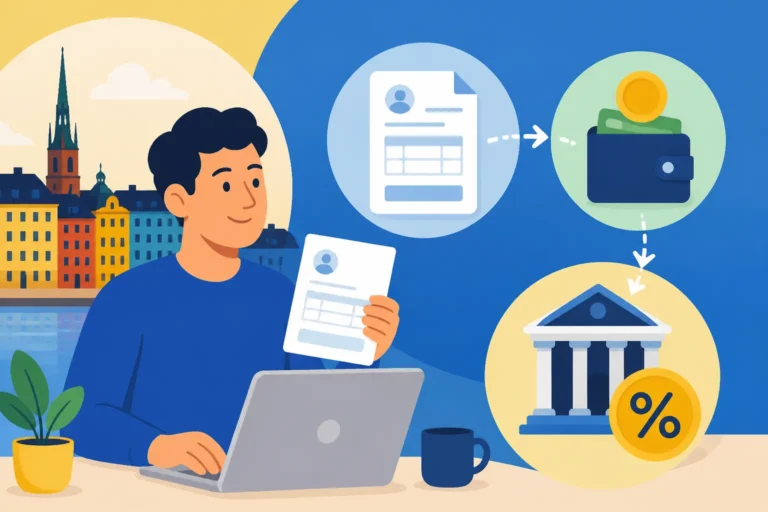
When you live in Sweden, the rules for tax residency are fairly straightforward: if you are here for more than six months, you are a tax resident. However, the moment you decide to leave, things get significantly more "Swedish"—which is to say, administratively complex. The Swedish Tax Agency (Skatteverket) uses a concept called "Väsentlig Anknytning," or "essential connection," to determine if someone who has moved abroad should still be taxed as if they were living in a flat in Södermalm.
The core of the issue is that Sweden operates on a "worldwide income" principle for its residents. If Skatteverket decides you have an essential connection to the country, they will expect you to report and pay tax on every krona you earn, whether that money comes from a new job in New York, rental income in Spain, or dividends in London. This isn't just a minor administrative hurdle; it is a life-altering financial status that can lead to double taxation and a massive amount of paperwork.
For many of us who have lived here for years, our lives become deeply intertwined with the Swedish system. We buy property, we start companies, and our children grow up speaking Swedish. These are the very threads that Skatteverket looks at when deciding if you have truly left or if you are just "on a long vacation" in their eyes. Understanding When Do I Become a Tax Resident in Sweden? is the first step, but understanding how to stop being one is arguably more important for your long-term financial health.
The Five-Year Rule: The Burden of Proof
One of the most frustrating aspects of "Väsentlig Anknytning" is what is commonly known as the five-year rule. In the eyes of the Swedish law, if you have been a resident in Sweden for at least ten years, the burden of proof regarding your tax residency stays firmly on your shoulders for the first five years after you leave. This means that if Skatteverket claims you have an essential connection, you have to prove that you don't.
After those five years have passed, the burden of proof finally shifts. At that point, it is up to Skatteverket to prove that you do have a connection. This five-year window is where most expats run into trouble. During this time, every trip back to Sweden to visit friends or every decision to keep a small "stuga" in the woods is scrutinized. It is a period where you must be incredibly careful with your "paper trail." If you are managing finances across borders during this transition, using a transparent service like Wise can help you keep clear, documented records of your movements of capital, which is essential if you are ever audited.
Why Intent Doesn't Always Matter
You might feel in your heart that you have left Sweden forever. You might have had a "Hejdå" party and cancelled your gym membership. Unfortunately, Skatteverket doesn't care much about your feelings or intentions; they care about objective facts. They look for "objective ties" that suggest you could return at any moment and resume your life without much effort.
This is where many people get caught. They leave Sweden but keep their apartment "just in case" they want to move back, or they keep their seat on the board of a small Swedish company they helped start. In the eyes of the law, these are "essential connections." The goal of this legislation is to prevent people from moving their "tax home" to a low-tax jurisdiction while still enjoying the benefits and stability of a Swedish life. To navigate this, you need to understand The Swedish Tax System Explained: Rates, Returns, and Filing to see exactly what is at stake if you are deemed a resident.
The Key Factors That Create an Essential Connection
Skatteverket doesn't just look at one thing; they look at the "total picture" of your life. However, certain factors carry much more weight than others. If you have a spouse and three children still living in a house you own in Uppsala, no amount of arguing will convince Skatteverket that you don't have an essential connection.
It is a cumulative assessment. While one factor might not be enough to trap you in the Swedish tax net, a combination of two or three almost certainly will. This is why it is so important to be methodical when you are planning your exit. Many expats find that consulting with professionals like Taxes for Expats is the only way to get a clear answer on their specific situation, as the case law around these factors is constantly evolving.
Real Estate: The Year-Round Home Trap
Perhaps the most common trap is real estate. In Sweden, there is a big legal difference between a "fritidshus" (a vacation home) and a "permanentbostad" (a permanent home). If you own a property in Sweden that is equipped for year-round living, Skatteverket will likely consider this an essential connection.
Even if you rent the property out to someone else, the fact that you could potentially terminate that rental agreement and move back in is often enough for them to maintain your tax residency. To successfully break the connection, many expats find they must sell their primary Swedish residence entirely. If you only keep a simple summer cottage that lacks insulation or year-round water access, you might be safe, but it is a fine line to walk. If you are selling, you should also be aware of how to handle the proceeds and Filing Your Swedish Tax Return (Deklaration): What You Need to Know for that final year.
Family Ties: Spouse and Minor Children
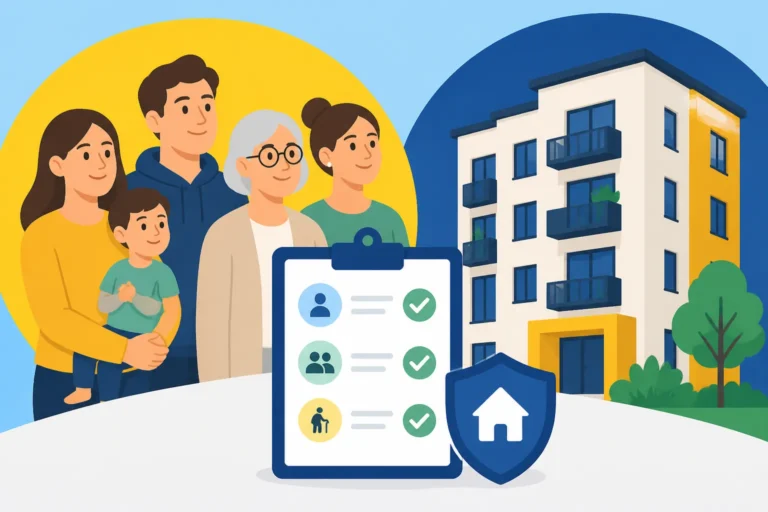
Family is the strongest "anchor" in the eyes of the Swedish authorities. If your spouse or minor children remain in Sweden, you are almost guaranteed to be considered a tax resident via an essential connection. The Swedish view is that the "center of your vital interests" remains where your family is.
This creates a significant hurdle for "commuter" families where one parent moves abroad for work while the children finish school in Sweden. In these cases, you will likely remain fully taxable in Sweden on your global salary. This is a common pain point for international workers who assume that as long as they spend more than 183 days abroad, they are "safe." They aren't. Understanding Income Tax in Sweden: Municipal, State, and the SINK Regime becomes crucial here, as you might be hoping for the lower SINK tax rate but find yourself stuck with the standard municipal and state taxes instead.
Business and Financial Interests
If you are a business owner or have significant investments in Sweden, you are on the radar. Simply owning shares in a large public company like Volvo or Ericsson isn't usually enough to create an essential connection. However, if you own a significant stake in a private Swedish company or if you hold a position of "significant influence" (like being a board member or a CEO), Skatteverket will view this as a major tie to the country.
Even being a "passive" owner can be risky if the company is considered your primary source of wealth. For those moving money between their Swedish business interests and their new home abroad, using Wise can help minimize the "hidden" costs of currency conversion, but it won't hide the underlying tax obligation. If you are unsure if your business ties are too strong, specialized services like Taxes for Expats can help you restructure your holdings before you move to minimize your "essential connection" risk.
| Factor | High Risk of Connection | Low Risk of Connection |
|---|---|---|
| Housing | Owning a year-round house or apartment. | Owning a small, non-winterized cottage. |
| Family | Spouse or minor children living in Sweden. | Only adult children or distant relatives in Sweden. |
| Business | Managing a Swedish company or board seat. | Passive ownership of minority shares in public firms. |
| Presence | Frequent "habitual" visits to Sweden. | Rare, short visits for holidays only. |
| Possessions | Keeping cars, boats, or major furniture in Sweden. | No significant physical assets remaining. |
The Financial Consequences of Tax Residency
Being deemed to have an "essential connection" isn't just about where you file your paperwork; it's about how much money stays in your pocket at the end of the month. If you are a Swedish tax resident, you are liable for Swedish tax on your worldwide income. If you moved to a country with a 15% income tax rate, but Sweden considers you a resident, Skatteverket will expect you to pay the difference between that 15% and the Swedish rate (which could be 30% to 55%).
This is a massive financial blow for many expats who move for a higher "net" salary elsewhere. They find that after they have paid their new country's taxes, Skatteverket comes knocking for the rest. This is why many people ask Can Sweden Still Tax Me After I Leave? and are often shocked by the answer.
Global Income vs. Swedish Sourced Income
If you successfully break your essential connection, you are only taxed in Sweden on income that actually comes from Sweden. This might include:
- Rental income from a Swedish property.
- Dividends from Swedish companies.
- A Swedish pension.
This is usually handled through The SINK Tax for Non-Residents: Is It Right for You?, which is a flat 25% rate with no deductions. It is much simpler and often much cheaper than being a full tax resident. However, you can only access SINK if you have truly severed that "Väsentlig Anknytning." If you are still receiving a Swedish salary or pension while living abroad, using Wise is a great way to receive those SEK payments and convert them to your local currency at the real mid-market rate, avoiding the predatory spreads of traditional banks.
Double Taxation Treaties and Your Protection
Fortunately, Sweden has signed double taxation treaties with almost every major country in the world. These treaties are designed to ensure you don't pay the full tax rate twice on the same money. Usually, the treaty will have "tie-breaker" rules to determine which country has the primary right to tax you.
Even with a treaty, you still have to file the paperwork to claim the relief. This often involves getting a "Tax Residency Certificate" from your new country and submitting it to Skatteverket. If the treaty says you are a resident of your new country, but Skatteverket still claims you have an "essential connection," you are in for a long legal battle. This is where professional help from Taxes for Expats becomes invaluable, as they can navigate the specific treaty language between Sweden and your new home (like the US or UK). You should read more on Double Taxation: How Sweden's Tax Treaties Protect You to understand how these agreements act as your ultimate safety net.
How to Legally Break the Essential Connection
If you are planning to leave Sweden and want to ensure you aren't dragged back into the tax system, you need to be proactive. You cannot just hope for the best. You need to create a "clean break." This is especially true if you are an entrepreneur or a high-earner.
The process of breaking the connection is about reducing your "Swedish footprint" to the absolute minimum. For some, this means a total liquidation of assets in Sweden; for others, it means careful management of how much time they spend back in the country. If you are unsure of your current status, you can see How Your Swedish Tax Return Is Pre-Filled by Skatteverket to see what information they already have on you.
Step-by-Step: The Clean Break Strategy
- Sell Your Permanent Residence: This is the single biggest step you can take. If you don't want to sell, you must prove the property is no longer available to you (e.g., a long-term, non-terminable lease), but selling is safer.
- Move Your Family: Ensure your spouse and minor children are registered as living abroad with you.
- Resign from Board Positions: If you have a Swedish "AB" company, resign as a board member and appoint a replacement.
- Close "Local" Accounts: While you might want to keep a bank account for a while, try to move your primary banking to your new country or a global service like Wise.
- Limit Your Days in Sweden: Avoid spending more than 72 days a year in Sweden during those first few critical years. Any "habitual" presence can be used against you.
- Document Everything: Keep copies of your new lease, your new employment contract, and your tax registrations in your new country.
Professional Advice and Documentation
Because "Väsentlig Anknytning" is based on a holistic assessment, there is no "magic number" of days or a single form that guarantees you are free. Every case is unique. If you have a complex financial life, the money you spend on a consultation with Taxes for Expats is often a fraction of what you would save in avoided Swedish taxes.
Remember that Skatteverket can look back at your records for several years. If they decide three years from now that you actually had an essential connection this year, they can issue a back-tax bill with interest and penalties. Peace of mind comes from knowing you have followed the rules and documented your exit properly. If you are a freelancer, make sure you understand if you Do I Charge VAT as a Freelancer in Sweden? for any remaining Swedish clients, as even small business activities can be seen as a "connection."
Disclaimer
This guide is intended for informational purposes only and does not constitute legal or financial advice. Tax laws in Sweden are subject to change and are interpreted by Skatteverket and the Swedish courts on a case-by-case basis. Always consult with a qualified tax professional or the Swedish Tax Agency directly before making major financial or residency decisions.