Can I Hold Both Swedish and My Original Citizenship?
Ah, the age-old question that many of us expats eventually ponder: "Once I've finally navigated the labyrinthine path to becoming a Swedish citizen, do I have to kiss my old passport goodbye?" It's a natural concern, especially when you've built a life here but still feel deeply connected to your roots. The thought of having to choose, to renounce a part of your identity, can be quite daunting. But don't fret, because Sweden's stance on this has actually evolved, making things much smoother for many of us.
This guide will walk you through the ins and outs of holding dual citizenship in Sweden, focusing on what you need to know about both the Swedish rules and, crucially, your home country's regulations. We'll explore the history, the practicalities, and the potential hiccups, so you can make an informed decision without losing sleep.
The Swedish Stance on Dual Citizenship: A Clear 'Ja!'
For many years, the question of holding dual citizenship in Sweden was a firm "nej" for most people. The old rules were quite strict, often forcing individuals to make a difficult choice between their adopted home and their birth country. This created a lot of emotional and practical challenges for expats who had grown deep roots here.
A Historical Perspective: When Things Changed
Before July 1, 2001, if you wanted to become a Swedish citizen, you generally had to renounce your previous citizenship. There were some exceptions, of course, like if your home country didn't allow renunciation, or if it was deemed impossible or unreasonably difficult. But for the vast majority, it was a one-or-the-other situation. I remember friends agonizing over this decision, feeling torn between their heritage and their future in Sweden. It felt like a truly archaic rule in an increasingly globalized world, where people move more freely and build lives across borders.
Thankfully, the Swedish government recognized this dilemma. On July 1, 2001, the citizenship law was amended, ushering in a much more modern and flexible approach. This change meant that Sweden now fully accepts and even encourages dual citizenship. This was a massive relief for countless expats who had made Sweden their home but didn't want to sever ties with their country of origin. It validated their bicultural identities and acknowledged the reality of modern migration. So, if you're applying for Becoming a Swedish Citizen: Requirements and the Application Process today, you generally won't be asked to give up your original passport by the Swedish authorities.
What Dual Citizenship Actually Means for You
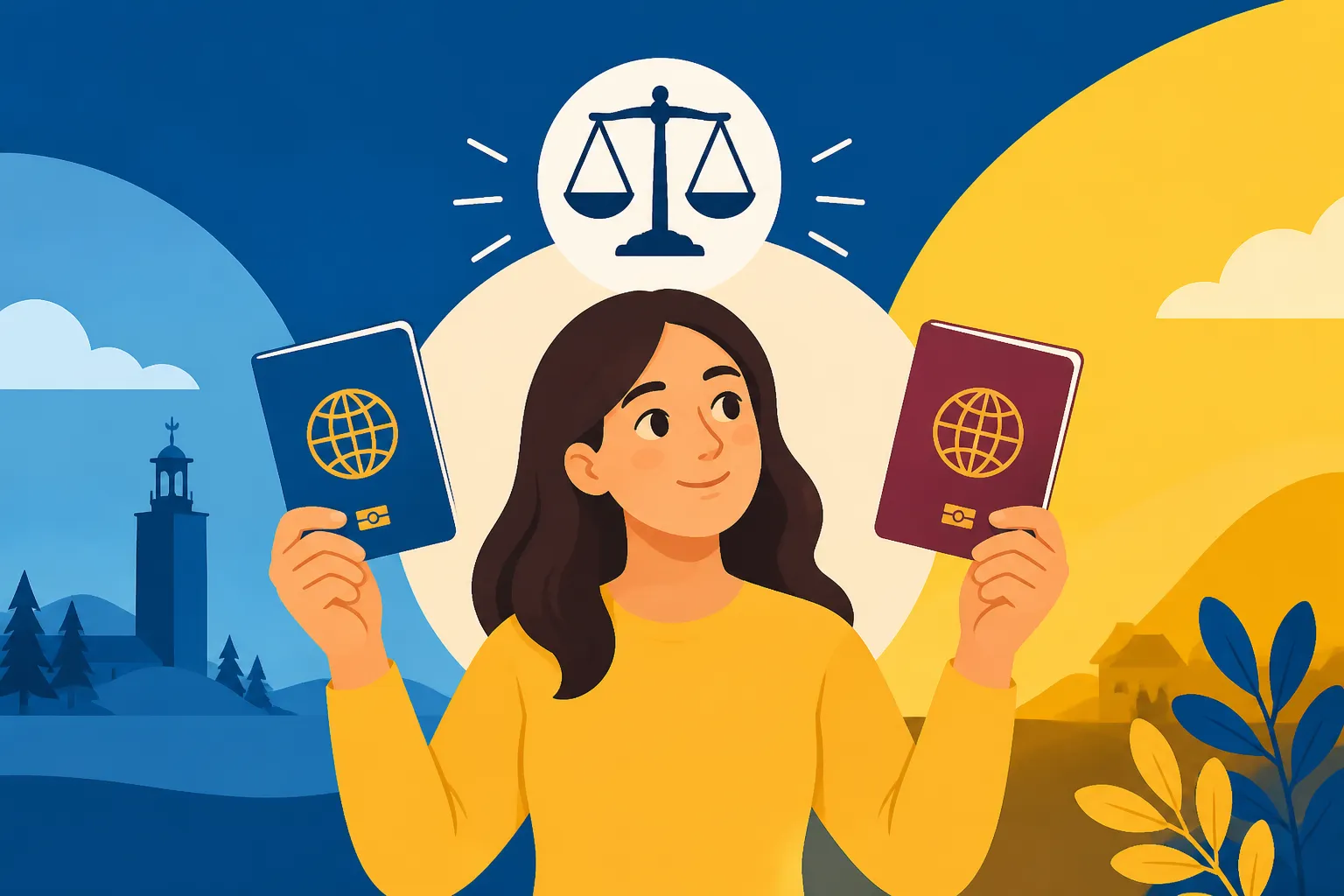
So, you become a Swedish citizen and keep your original passport – hurra! But what does that actually mean in practical terms? Essentially, it means you hold the rights and obligations of a citizen in both countries. You can use either passport to travel, provided both countries recognize your citizenship. You might have voting rights in both nations, and potentially even military service obligations, depending on your original country's laws.
For instance, if you're an American who also becomes a Swedish citizen, you are considered a citizen by both nations. You can travel freely between the US and Sweden using your respective passports. However, you'll still be subject to US tax laws, which famously tax their citizens on worldwide income, regardless of where they live. This is a common point of confusion and a significant factor for many dual nationals. It's not always just about the passport; it's about the full suite of legal and administrative ties. Understanding these nuances is crucial, and it’s why just because Sweden says "yes," you still need to do your homework on the other end.
Navigating Your Original Country's Rules: The Crucial Step
While Sweden is quite liberal about dual citizenship, the same cannot be said for all countries. This is where your personal research becomes absolutely paramount. Don't assume anything! Your original nationality's laws are the real hurdle, not Sweden's.
Different National Laws: The Real Hurdles
This is the tricky part, and it's where many people stumble. Many countries around the world still adhere to a 'single citizenship' principle, meaning they will automatically revoke your original citizenship if you voluntarily acquire another. Countries like India, China, Japan, and Saudi Arabia are generally known for not permitting dual citizenship for adults (though there can be exceptions for children born with multiple citizenships). Germany, for example, used to be very strict but has recently liberalized its laws, allowing dual citizenship for its citizens and for those naturalizing in Germany. However, for those who naturalized before the law change, it's not retroactive.
If your country has such a rule, becoming a Swedish citizen might automatically mean losing your original nationality. In some cases, you might even be required to formally renounce your original citizenship as part of that country's process, sometimes even before Sweden grants you citizenship (though Sweden wouldn't require proof of this). This process of renunciation can involve fees, interviews, and a lot of paperwork.
Imagine you're from a country that doesn't allow dual citizenship. You've diligently worked towards meeting all the requirements for Swedish Citizenship by Application: The Five-Year Path, built your life in Sweden, learned the language, and then you discover that taking the final step means cutting ties with your country of birth. This can be heartbreaking. It’s essential to contact your original country's embassy or consulate in Sweden, or a legal expert specializing in immigration law for your specific country, to understand their exact rules. Don't rely on anecdotes from online forums; laws can be complex and change frequently. If you need to have documents translated for any such process, services like RushTranslate or Translayte can be incredibly helpful for certified translations of birth certificates, marriage licenses, or other official records that your home country might require.
The Application Process: What Sweden Asks For
When you apply for Swedish citizenship through Migrationsverket, the Swedish Migration Agency, their primary focus is on your eligibility under Swedish law. They will assess factors such as your period of residence in Sweden (usually five years for most applicants, as discussed in Permanent Residence in Sweden: Rules and Timeline), your identity, and your good conduct. For identity verification, you'll need documents like your passport, and if your name has changed or documents are in a foreign language, you might need certified translations. This is another scenario where platforms like RushTranslate or Translayte come in handy to ensure your documents are accepted by Swedish authorities.
What Migrationsverket won't ask for is proof that you've renounced your previous citizenship. They don't require you to submit any documentation from your home country confirming that you've given up your original nationality. They operate under the assumption that if you meet the Swedish criteria, you're eligible for Swedish citizenship, regardless of your other passport(s). This is a stark contrast to how many other countries handle naturalization, and it's a testament to Sweden's accommodating policy. So, the burden of understanding the dual citizenship implications from your original country's perspective falls entirely on you.
Practical Implications of Holding Two Passports
While the ability to hold two passports is undeniably convenient and comforting for many, it also brings a few practical considerations that are worth understanding. It's not just about which passport you flash at the airport; it's about navigating two sets of rules and expectations.
Travel and Consular Protection
Let's talk travel. When you're a dual citizen, a general rule of thumb is to use the passport of the country you are entering or exiting as a citizen. So, when flying into Sweden, you'd present your Swedish passport. When flying into your other country of citizenship, you'd use that country's passport. When traveling to a third country, you can typically choose which passport you prefer to use for entry, as long as it grants you the necessary visa-free access or visa.
However, things can get complicated, especially regarding consular protection. If you find yourself in trouble (say, arrested or in a legal dispute) in your country of original citizenship, the Swedish embassy or consulate may have limited ability to help you. That country views you as their citizen first and foremost, and typically won't allow another country's diplomatic services to intervene. The same applies in reverse: if you're in Sweden, your original country's embassy would have limited grounds to intervene on your behalf. This is a crucial point to remember, as it directly impacts your safety net when abroad. Always carry both passports when traveling, just in case, but be mindful of which one to present to authorities.
Potential Legal and Administrative Complexities
Beyond travel, dual citizenship can introduce various administrative and legal complexities.
- Taxes: As mentioned, some countries, most notably the United States, tax their citizens on worldwide income regardless of where they reside. So, even if you pay Swedish income tax, you might still have reporting obligations and potentially tax liabilities in your country of origin. This requires careful financial planning and possibly consulting with tax advisors specializing in international taxation.
- Military Service: If your original country has mandatory military service, acquiring another citizenship might not exempt you. Many countries have specific rules for dual nationals, sometimes requiring them to choose allegiance or serve in one force. Always check the specifics for your age and situation.
- Voting Rights: You'll generally have the right to vote in both countries, assuming you meet their respective residency and registration requirements. This can be a fulfilling way to stay connected politically to both nations.
- Administrative Updates: You'll need to remember to update your details with relevant authorities in both countries. For example, if you change your name or address in Sweden, you'll need to inform Skatteverket for your Registering Your Move (Flyttanmälan) with Skatteverket and then ensure similar updates are made with your other country's registration systems. Keeping your information consistent across both citizenships can prevent future headaches.
It's a lot to keep track of, but the benefits of dual citizenship—like increased travel flexibility, stronger ties to both cultures, and the knowledge that you truly belong in two places—often outweigh these complexities for many expats. Understanding these implications fully is a key part of your Path to Permanent Residence in Sweden: Rules and Timeline and eventually, citizenship.
Here's a quick overview of countries' general stances on dual citizenship, though remember, laws can change and exceptions always exist:
| Generally Allows Dual Citizenship | Generally Does NOT Allow Dual Citizenship (or has strict caveats) |
|---|---|
| Sweden, United Kingdom, Canada, Australia, France, Italy, Spain, Ireland, Portugal, Belgium, New Zealand, USA (with exceptions/complexities for some), Germany (since 2024), Finland, Norway (since 2020), Denmark | India, China, Japan, Saudi Arabia, UAE, Ukraine (generally), Singapore, Indonesia, Kuwait, Austria, Netherlands (with exceptions) |
Note: This table provides a general overview. National laws are complex and subject to change. Always verify the current laws with the official authorities of your specific country.
Disclaimer
This article is for general informational purposes only and does not constitute professional advice. Laws, prices and regulations vary by location and change over time. Consult a qualified professional for guidance on your specific situation.