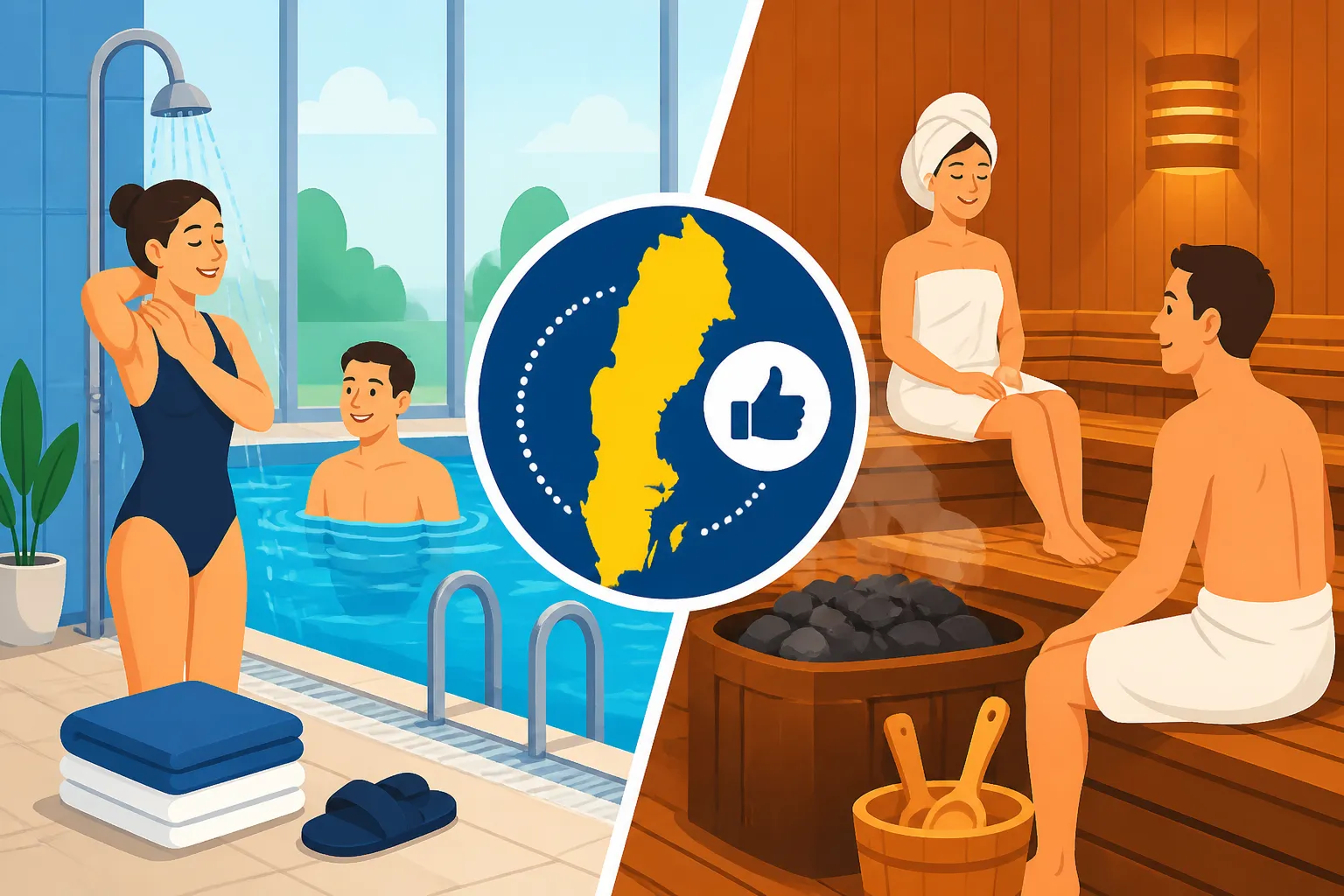
How Does Pool and Sauna Etiquette Work in Sweden?
Stepping into a Swedish public bathhouse, or badhus, for the very first time can feel like entering a secret society with its own unwritten rules. You’ve probably heard whispers about the strict hygiene, the nudity, and the general solemnity of it all. It’s enough to make even the most seasoned expat feel a knot of anxiety, wondering if they’ll accidentally commit some terrible social faux pas. But fear not, my friend! This guide is here to unravel the mysteries of Swedish pool and sauna etiquette, helping you navigate these refreshing, yet culturally unique, spaces with confidence and respect. We'll dive deep into the dos and don'ts, so you can enjoy these wonderful facilities like a true Swede, without feeling like you're walking on eggshells.
The Swedish Public Bath Culture: More Than Just Swimming
When you first arrive in Sweden, you quickly notice that Swedes have a deeply ingrained sense of order, cleanliness, and respect for public spaces. This isn't about being stiff or unfriendly; it's about creating a harmonious environment for everyone. Public baths are no exception, and in fact, they amplify these cultural values. What might seem like overly rigid rules to an outsider are, to a Swede, simply common sense for maintaining hygiene, personal space, and a tranquil atmosphere.
Why Rules Are Unspoken Yet Strict
One of the most perplexing aspects for newcomers is that many of the "rules" aren't explicitly written down. Instead, they're part of an unspoken social contract, deeply rooted in the Swedish concept of lagom – not too much, not too little, just right. This extends to personal space, noise levels, and cleanliness. While you might be used to a more boisterous or relaxed approach to public swimming pools back home, Swedish badhus are generally places of quiet contemplation and rigorous hygiene. You won't see staff constantly patrolling and barking orders; instead, the expectation is that everyone knows and adheres to these collective norms.
This cultural emphasis on harmony means that any perceived breach of etiquette, even if accidental, can draw disapproving glances – the dreaded Swedish "side-eye." It’s rarely confrontational, but the collective disapproval can be palpable. It’s not a judgment of you as a person, but rather a subtle reinforcement of shared societal expectations. Understanding this underlying philosophy is key to appreciating why Swedes value these traditions so much. They're not trying to make your life difficult; they're simply upholding a standard that has evolved over generations, ensuring that these communal spaces remain enjoyable and hygienic for all.
Gender Segregation and Nudity Expectations
Perhaps the biggest culture shock for many foreigners entering a Swedish public bathhouse is the firm expectation of gender-separated changing rooms and, often, saunas. This is a fundamental aspect of the experience. You'll almost always find distinct areas for men (Herr) and women (Dam). Within these gender-specific zones, the expectation for showering – and often for using the sauna – is complete nudity.
Let's be frank: this can be incredibly daunting, especially if you come from a culture where public nudity is rare or even taboo. Many expats initially feel a profound sense of discomfort or embarrassment. However, it’s crucial to understand that for Swedes, this isn't sexualized in any way; it's purely about hygiene and practicality. The mandatory full, naked shower before entering the pool or sauna is non-negotiable. It's about removing all traces of dirt, sweat, makeup, and chemicals from your body to keep the communal water and sauna clean for everyone. Trying to sneak in a shower with your swimsuit on, or just a quick rinse without soap, will almost certainly earn you those disapproving glances from other bathers, or even a polite but firm instruction from staff.
While gender-separated saunas are the norm, especially in public badhus, some private wellness centers or hotel facilities might offer mixed-gender saunas where swimwear is permitted or even required. Always check the specific rules of the facility you’re visiting. But for the typical public badhus sauna, be prepared for the full, naked experience in your designated gender area. It's a rite of passage for many expats, and once you get past the initial awkwardness, you might even find it incredibly liberating and refreshing.
Navigating the Pool Area: The Unwritten Rules of the Badhus
Once you've wrapped your head around the cultural nuances of gender separation and nudity, the rest of the pool area etiquette will start to fall into place. Think of it as a quiet, orderly dance where everyone knows their steps, even if they've never been taught them explicitly.
Showering Etiquette: The Non-Negotiable First Step
I cannot stress this enough: the shower before you enter the pool is not optional, and it's not a quick splash. It is a full, thorough wash, completely naked, with soap. This is the cornerstone of Swedish public bath hygiene.
Here’s how it usually goes:
- Enter the changing room: You'll find individual lockers or open racks for your clothes. Make sure to bring a padlock for your locker, as they are not always provided. Sometimes, you pay a small fee or use a coin, which is returned later.
- Undress fully: Leave your swimsuit, towel, and anything else you plan to take into the pool area in your locker. You go into the shower area completely naked.
- Head to the showers: The shower area is typically a large, open space, often with a few private cubicles if you're really shy, but the norm is the open communal showers.
- Wash thoroughly: Take your time. Lather up with soap – don't just rinse. Wash your hair, your body, and pay attention to all areas. The goal is to remove all body oils, sweat, and external grime. Imagine yourself as a giant, human loofah, scrubbing away anything that could contaminate the pool water.
- Rinse completely: Make sure all soap is off your body before stepping out.
The logic here is simple: if everyone showers thoroughly, less chlorine or other chemicals are needed to keep the pool water clean. It's a collective responsibility that Swedes take seriously. This is also why wearing your swimsuit into the shower is a big no-no; the swimsuit itself might carry street dirt or detergents, defeating the purpose of the clean shower.
Swimwear, Caps, and Footwear
After your squeaky-clean naked shower, you'll put on your swimsuit. But even here, there are subtle expectations.
- Swimwear: Your swimsuit should be clean and specifically for swimming. This means no underwear worn under swim shorts, no street clothes, and definitely nothing that looks like it's been worn for a workout at the gym. For men, swim shorts are common, but often not the super baggy, long board shorts that some facilities elsewhere might prohibit due to material shedding. For women, bikinis or one-piece swimsuits are standard.
- Swim Caps: Unlike some countries where swim caps are mandatory, in Sweden, they are generally not required in public pools. However, if you have very long hair, tying it back or wearing a cap can be a considerate gesture, as it helps keep loose hairs out of the water. No one will chastise you for not wearing one, though.
- Footwear: Shower shoes or flip-flops are highly recommended for walking between the changing room, showers, and pool area to prevent slips and protect your feet from fungi. However, once you're at the edge of the main pool area, it's customary to take them off. You typically walk barefoot on the clean, wet floor around the pool itself. You'll often see designated areas to leave your flip-flops before entering the pool hall.
Behaviour in the Pool Itself
The pool area itself is generally a calmer, more orderly place than you might expect.
- Lane Swimming vs. Recreational Areas: Most badhus will have designated lanes for serious swimmers and larger areas for recreational swimming, families, or simply floating. Pay attention to the signs – "motionssim" for exercise swimming, "lek & plask" for play and splash. If you're in a lane, try to stick to one side and be mindful of faster or slower swimmers. Don't block the lanes.
- Noise Levels and Splashing: While kids are certainly allowed to play, there's a general expectation of moderate noise. Excessive shouting, boisterous roughhousing, or large, disruptive splashing in non-designated areas is usually frowned upon. It's about respecting the peaceful enjoyment of others. If you’re traveling with children, finding a family-friendly badhus or specific 'play' sections within a badhus can make the experience more enjoyable for everyone.
- Diving and Running: Running on wet surfaces is dangerous and thus prohibited. Diving is usually only allowed in specific deep-end areas or from diving boards, if available, and always with caution. Pay attention to depth markers.
- General Respect: Don't hog space, don't stare, and keep your interactions polite and understated. Remember that collective harmony is the goal. For instance, when travelling around Sweden, you might find that smaller, more local badhus in places outside the big cities might have an even more pronounced local community feel, and adhering to these norms can help you feel more integrated.
Unveiling the Sauna Experience: Heat, Humility, and Hygiene
Ah, the Swedish sauna – a truly invigorating experience that is as much about relaxation and detox as it is about cultural immersion. But like the pool, the sauna has its own set of sacred rules.
The Golden Rule of Swedish Saunas: Full Nudity in Gender-Separated Saunas
We touched on this earlier, but it deserves emphasis: in public, gender-separated saunas in Sweden, the expectation is full nudity. Yes, completely naked. And it's not just an unwritten rule, it's often a signposted one. Trying to wear a swimsuit into the sauna is often seen as unhygienic and culturally insensitive.
Why the strict nudity? There are a few reasons:
- Hygiene: Swimsuits, especially when wet, can trap bacteria and sweat, which then transfer to the wooden benches. Naked skin, sitting on a towel, is considered more hygienic.
- Health: Chemicals from swimwear can leach out in the heat and steam, potentially irritating the skin or being inhaled. Nudity avoids this.
- Cultural Norm: For centuries, saunas have been places of ritual cleansing and natural communal interaction. The swimsuit is an artificial barrier that goes against this tradition.
When you enter the sauna, you must sit on a small towel. This isn't just for comfort; it's to absorb your sweat and prevent it from directly touching the wooden benches. You'll typically bring your own, but some badhus might offer small "sauna towels" for rent or purchase. Again, the goal is to keep the shared space clean for the next person.
Exceptions do exist, of course. If you're staying at a hotel with a spa, or visiting a private wellness facility, they might have mixed-gender saunas where swimwear is mandatory or acceptable. Always check the signs or ask staff. But for a true public badhus sauna experience, embrace the naked truth!
Silence, Sweat, and Aufguss
The sauna is a sanctuary for many Swedes. It’s a place to unwind, to meditate on the heat, and to de-stress. Therefore, there’s a strong expectation of peace and quiet.
- Silence: Keep conversations to a minimum, and if you must speak, do so in a low, hushed tone. It's not a place for loud chatter or mobile phones (which, by the way, are absolutely forbidden in the changing rooms and saunas for privacy reasons).
- Sweat: Everyone sweats in a sauna – that's the point! Don't feel self-conscious. Just remember your towel.
- Aufguss: In some larger or more modern badhus, you might encounter aufguss (or bastu-gjutning in Swedish), which is a ritual where water, often infused with essential oils, is poured over the hot stones, and a sauna master uses a towel to waft the steam around. If a facility offers aufguss, it will usually be a scheduled event, and you should follow the instructions of the sauna master. Do not pour water on the stones yourself unless there is a clear indication and it’s a communal act, or you're in a private sauna. Otherwise, it's considered disruptive and could damage the heating elements.
Post-Sauna Routine and Cool-Down
After a good sweat, the routine continues:
- Shower again: A quick rinse-off after the sauna is customary to wash away sweat before you re-enter the main changing room or common areas.
- Cool down: Many facilities have cool-down showers, ice baths, or even outdoor areas (especially in winter, for the truly brave!) to help regulate your body temperature. Take your time to cool down gradually.
- Hydration: Drink plenty of water. The sauna is dehydrating.
- Re-enter clothed: Once you’re done with your sauna and cool-down, dry off completely and put on your clothes (or wrap yourself in your towel) before heading back to the lockers or out into the public reception area.
Practical Tips for a Smooth Badhus Visit
Armed with this knowledge, your first badhus visit should be much less intimidating. Here are a few more practical pointers to ensure everything goes smoothly.
What to Bring and What to Leave Behind
Preparation is key to a stress-free badhus experience.
Essentials to Bring:
- Swimsuit: A clean one, ready for action.
- Towel: A large one for drying off, and potentially a smaller one for sitting on in the sauna.
- Padlock: For securing your locker. Some facilities might have coin-operated lockers or provide wristbands with keys, but it's always safer to bring your own.
- Toiletries: Shampoo, soap, conditioner – whatever you need for that thorough pre-swim shower.
- Shower shoes/flip-flops: For hygiene and safety in the changing and shower areas.
What to Leave Behind (or in your locked bag):
- Valuables: Jewellery, expensive electronics. Better safe than sorry.
- Mobile Phone: Absolutely no phones in changing rooms, showers, or saunas. It's a privacy violation and culturally unacceptable. If you need to stay connected for navigating new places after your swim, remember to use an eSIM from a provider like Airalo, which ensures you have data outside the badhus without needing to fuss with physical SIM cards.
- Street Clothes/Shoes: Don't wear these into the shower or pool areas.
Language Barriers and Asking for Help
While many Swedes speak excellent English, the staff at local badhus might not always be fluent, especially in smaller towns. However, most facilities will have signs, often with pictograms or English translations, explaining the basic rules. If you're unsure, politely ask a staff member. A simple "Ursäkta, får jag fråga?" (Excuse me, may I ask?) followed by your question in English is usually well-received. Swedes generally appreciate an effort to follow their customs, even if you need a little help.
When you're first finding your feet in a new Swedish city, especially when trying to locate local amenities like badhus or even your new apartment, platforms like Spotahome can be useful not just for housing but for getting a sense of the local environment before you even arrive. They sometimes have neighborhood guides that can clue you into local services.
Public vs. Private Wellness Facilities
It's worth noting that the etiquette described here applies primarily to public, municipal badhus. If you visit a private spa, hotel wellness area, or a more upscale 'day spa' facility, the rules might be slightly different. These often cater to a broader international clientele and might offer mixed-gender saunas where swimwear is required, or have different expectations regarding noise and personal space. Always check the specific rules of the establishment you are visiting. However, the underlying principle of cleanliness and respect for others remains universal across all Swedish wellness facilities.
| Aspect | Public Badhus (Typical) | Private Spa / Hotel (Possible Differences) |
|---|---|---|
| Changing Rooms | Strictly gender-separated (Herr/Dam) | Usually gender-separated, sometimes private changing cubicles |
| Pre-Pool Shower | Mandatory, full nudity, with soap | Mandatory, often full nudity or swimwear-on allowed in private stalls |
| Sauna (Typical) | Gender-separated, full nudity, sit on towel | Often mixed-gender, swimwear usually required/permitted, sit on towel |
| Noise Level | Generally quiet, respectful | Varies, can be more social, but still respectful |
| Swim Caps | Not mandatory | Rarely mandatory, sometimes recommended for long hair |
| Footwear | Shower shoes in changing/shower, bare feet in pool area | Shower shoes generally encouraged throughout |
| Phone Use | Strictly forbidden in changing rooms/saunas | Generally forbidden in wet areas for privacy |
| Water on Stones | Only if designated for aufguss or clearly permitted | Often permitted in moderation, or staff-led aufguss |
Remember, the Swedish badhus and sauna experience is a fantastic way to relax and integrate into local life. Don't let initial apprehension stop you. Embrace the cleanliness, the quiet, and yes, the nudity (in the right context!), and you’ll find a truly refreshing and authentic piece of Swedish culture.
Disclaimer
Please remember that this guide offers general advice for navigating pool and sauna etiquette in Sweden. Rules and customs can vary slightly between different facilities, cities, and regions. Always check the specific guidelines or signs at the badhus or wellness center you are visiting. This content is for informational purposes only and does not constitute official legal or medical advice. Cultural norms can evolve, so it's always good practice to observe and adapt to local expectations.