How Do I Choose an Electricity Contract in Sweden?
Moving to Sweden often feels like you’ve been dropped into a beautifully organized but utterly opaque administrative maze. One of the first, and surprisingly complex, challenges after finding a place to live is figuring out your utilities, especially the electricity. It’s not just one company; you're dealing with a dual system that can leave newcomers scratching their heads. This guide will walk you through the labyrinth of Swedish electricity contracts, helping you understand your options, what to look for, and how to make a choice that fits your life and your wallet.
The Dual System: Grid Company Versus Electricity Supplier
Alright, let's peel back the first layer of confusion. In many countries, you just pick one company, and they handle everything – the wires, the power, the bill. Not in Sweden. Here, you've got two distinct entities: your grid company (nätägare) and your electricity supplier (elleverantör). Understanding this fundamental split is the absolute key to navigating your electricity choices.
The Grid Company Your Fixed Friend
Think of your grid company as the landlord of the power lines, the literal infrastructure that brings electricity to your apartment or house. They own the cables, the substations, and the meters in your specific geographical area. You cannot choose your grid company; it's determined by where you live. If you move from, say, Södermalm to Vasastan in Stockholm, you might even find yourself with a different grid company, as areas are often managed by different regional operators. Their job is to ensure the electricity gets to you safely and reliably.
This relationship is fixed, hence "your fixed friend." When you move into a new place, your landlord or the previous tenant usually tells you who the grid company is. If not, your local municipality or even the previous bill can confirm it. You'll typically have a basic contract with them for the transmission of electricity, and they’ll charge you for that service, including maintenance of the grid and taxes. This is a non-negotiable part of your electricity cost, regardless of which supplier you choose. The important thing is, you don't pick them, and you can't switch them.
The Electricity Supplier Your Flexible Foe (or Friend)
Now, this is where your choices come in. The electricity supplier is the company that sells you the actual electricity that flows through the grid company's wires. This is the entity you have power over (pun intended!). There are dozens, if not hundreds, of these suppliers across Sweden, all competing for your business. They buy electricity on the open market, sometimes from renewable sources, sometimes from nuclear or hydro, and then sell it on to consumers like you.
This is where the real decision-making happens. Different suppliers offer different contract types, prices, and terms. You can switch suppliers if you find a better deal or if you prefer one company's values over another's. This flexibility is both a blessing and a curse for newcomers. It's great to have choices, but it's also incredibly daunting to sift through all the options, especially when the language barrier and unfamiliar jargon are at play. Don't worry, we'll break down the types of contracts next.
Different Types of Electricity Contracts in Sweden
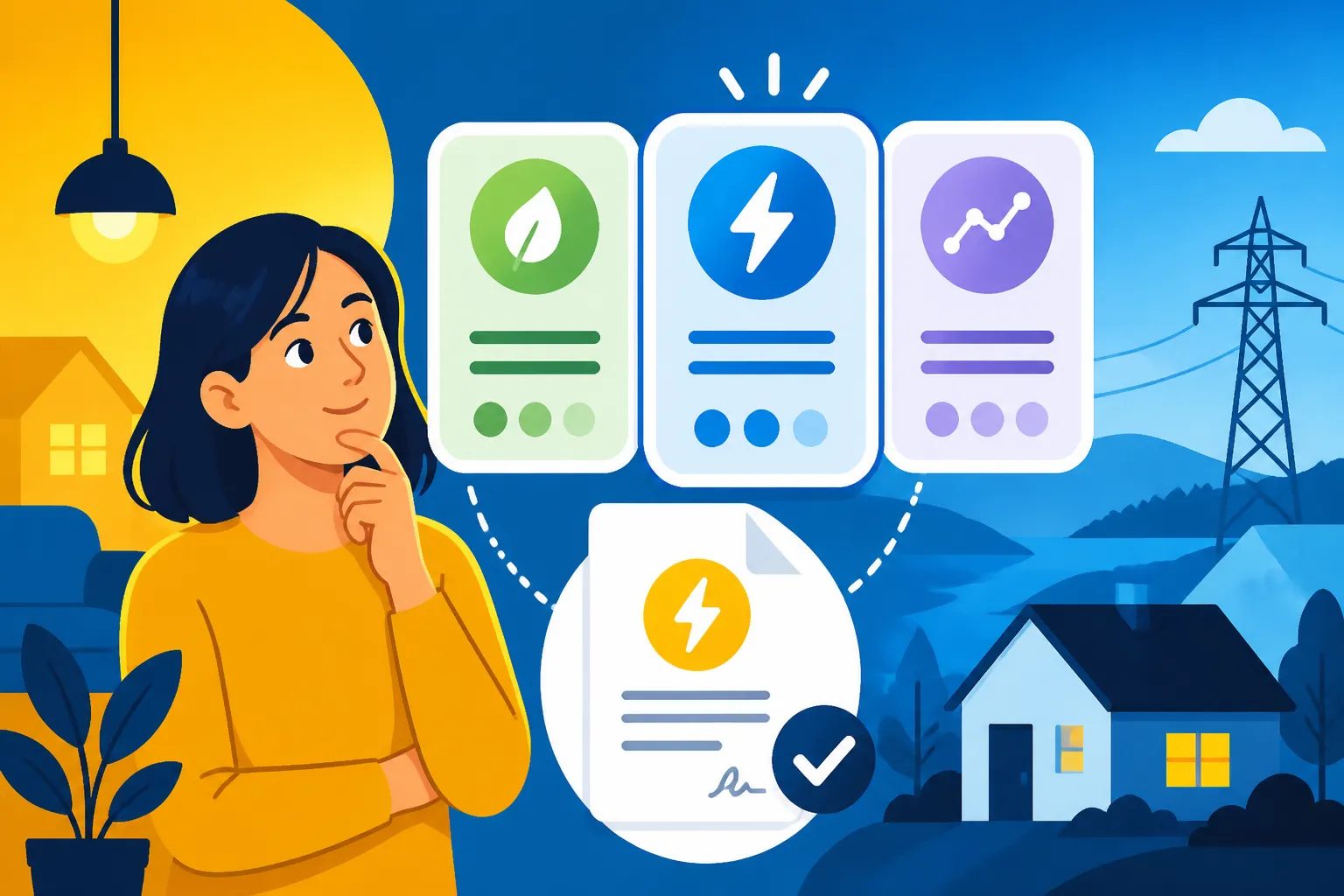
Once you've wrapped your head around the dual system, the next step is understanding the different types of contracts the electricity suppliers offer. This is crucial because it dictates how your monthly bill is calculated and, ultimately, how much you pay. Each type has its own pros and cons, and what's best for one household might be a financial headache for another.
Fixed Price Contracts The Predictable Path
A fixed price contract, or fast prisavtal, means you agree to pay a set price per kilowatt-hour (kWh) for your electricity for a specific period, usually 12, 24, or 36 months. Imagine signing up for a streaming service where the monthly fee never changes, no matter how much you watch. It's similar to that. The price per kWh is locked in for the duration of your contract, offering stability and predictability in your monthly costs.
This predictability is a huge relief for many expats, especially those on a budget or who simply prefer not to deal with fluctuating expenses. You know exactly what you'll pay per unit, regardless of market swings, geopolitical events, or extreme weather conditions affecting electricity prices. However, this peace of mind often comes at a premium. If market prices drop significantly during your contract term, you might find yourself paying more than those on variable contracts. It's like having insurance against price hikes, but you pay for that security. If you want to understand how your utilities factor into your overall budget, you might find our guide on Budgeting for the Real Cost of Living in Sweden helpful.
Variable Price Contracts The Market Rollercoaster
The variable price contract, or rörligt prisavtal, means your electricity price per kWh fluctuates with the spot market. Essentially, your price changes frequently, often on an hourly or monthly basis, depending on supply and demand on the Nordic power exchange, Nord Pool. If you're someone who likes to gamble a little (with your bills, at least) and is prepared to ride the market's ups and downs, this might be for you.
The potential benefit here is that you can pay less when market prices are low. If you're savvy about your energy consumption – say, running the washing machine late at night when demand is lower – you can sometimes save money. However, the flip side is that prices can skyrocket unexpectedly, leading to much higher bills. We've seen this happen in recent years due to various global factors, leaving many Swedes with eye-watering invoices. This type of contract requires a bit more vigilance and a higher tolerance for financial uncertainty. Knowing what to expect regarding What Is the Cost of Electricity in Sweden in Winter? can be particularly important if considering a variable rate.
Mixed or Hybrid Contracts A Bit of Both
Some suppliers also offer hybrid solutions, or mixprisavtal. These contracts try to offer a balance between the stability of a fixed price and the potential savings of a variable price. For example, a portion of your electricity might be charged at a fixed rate, while the rest fluctuates with the market. Another variant might be a fixed monthly fee plus a variable consumption charge.
These mixed options can be a good compromise for those who want some level of predictability but also want to benefit from potential market lows. However, they can also be more complex to understand and track, which might not be ideal for new arrivals still grappling with the basics of Swedish administration. Always read the fine print carefully with these types of contracts to ensure you truly understand how your bill will be calculated.
Factors to Consider When Selecting an Electricity Supplier
Choosing an electricity contract isn't just about the price per kWh. There are several other elements that play a significant role in your overall experience and satisfaction. Taking these into account can help you find a supplier that aligns with your values and lifestyle.
Your Consumption Habits Powering Your Life
This is perhaps the most crucial factor. How much electricity do you actually use? Do you live in a small, well-insulated apartment or a larger, older house? Are you a single person who's rarely home, or a family with children who use a lot of electronics? Your past consumption data (if available from previous tenants, or an estimate based on similar properties) will give you a good idea. A fixed price might be better for high consumption households where budgeting is key, while a low consumption household might risk less with a variable rate.
Think about your peak usage times. Do you cook dinner, do laundry, and run the dishwasher all at the same time every evening? If you opt for a variable contract, being mindful of when you consume electricity can make a big difference. For instance, some apps can even show you hourly electricity prices, allowing you to shift heavy consumption to cheaper times. Knowing your typical usage is the first step towards a smart choice.
Contract Length and Termination Flexibility is Key
When considering a fixed-price contract, the contract length (avtalslängd) is important. Suppliers often offer different terms, typically 12, 24, or 36 months. A longer contract usually means a slightly lower fixed price, but it also locks you in for a longer period. What if you plan to move in a year or two? Most contracts have termination clauses (uppsägningstid), often around 1-3 months.
If you know you'll be moving relatively soon, a shorter fixed-term contract or even a variable one might offer more flexibility, despite potentially higher prices per kWh. Be wary of contracts with high early termination fees. If your living situation in Sweden is still uncertain, prioritising flexibility could save you headaches and money down the line. It's all about matching the contract to your life plans. You'll want to think about your residence permit renewal or permanent residence application and how long you expect to stay.
Environmental Impact Green Choices
Many electricity suppliers in Sweden offer "green" electricity (grön el or förnybar el), meaning the power comes from renewable sources like wind, solar, or hydro. For many Swedes and expats, this is a significant factor in their choice, reflecting a broader commitment to sustainability. These contracts might be slightly more expensive, but for some, the peace of mind that their electricity comes from sustainable sources is worth the extra cost.
When comparing suppliers, look for certifications or clear statements about their energy sources. Many companies will specify if their electricity is 100% wind, hydro, or a mix. If environmental impact is important to you, make sure to ask about this or check their website. It's a fantastic way to vote with your wallet and support Sweden's impressive renewable energy sector.
Customer Service and Support Can You Understand Them?
Let's be honest, dealing with utility companies in a new language can be a nightmare. Good customer service, especially in English, can make a world of difference. When you're comparing suppliers, consider not just the price, but also their reputation for customer support. Do they have an English-speaking helpline? Is their website available in English? Can you manage your account easily online?
Check reviews, ask in expat groups, or even try calling their customer service line with a general query to test their responsiveness and language capabilities. A slightly higher price for a company that makes your life easier could be a worthwhile investment. This is where understanding how 1177 Vårdguiden: Navigating Sweden's National Health Advice Line and Portal works, for instance, gives you a taste of Swedish digital services. The same digital-first approach often applies to utility companies.
Comparing Suppliers The Hunt for the Best Deal
With so many suppliers out there, how do you actually compare them? The Swedish government has a neutral comparison website, Elpriskollen, run by the Swedish Energy Markets Inspectorate (Energimarknadsinspektionen). This portal is an invaluable resource. You input your postnummer (postal code), estimated annual consumption (in kWh), and preferred contract type (fixed, variable, or mixed), and it will show you a list of available suppliers and their current offers.
The Elpriskollen website presents information in a clear, standardised way, making it easier to compare apples to apples. It also includes details about the contract length, termination fees, and even the environmental declaration of the electricity. This is your go-to tool for ensuring you're getting a competitive rate. Don't just pick the first company your landlord suggests; do your homework! Our guide on Setting Up Electricity (El-avtal) in Your Swedish Home provides additional steps on getting started.
Practical Steps to Choose and Switch Electricity Contracts
The thought of choosing and switching contracts can feel overwhelming, especially with all the new terminology. But with a bit of guidance, it's a manageable process. Here’s how you can go about it efficiently.
Where to Find and Compare Suppliers Online Tools
As mentioned, Elpriskollen is your best friend here. It’s an independent service that lists all the registered electricity suppliers and their current offerings, helping you compare prices transparently. Other private comparison sites also exist, but Elpriskollen is government-backed and considered the most reliable.
Beyond official comparison sites, check the websites of major energy companies like Vattenfall, E.ON, Fortum, and GodEl. They often have English information sections and online tools to help you estimate costs. If you're struggling with the Swedish, don't hesitate to use browser translation tools or ask a Swedish-speaking friend for help. Many people don't realise that setting up something as basic as electricity also relies on having your administrative ducks in a row. For example, Getting Your Personnummer: The Gateway to Swedish Healthcare is crucial, as it's typically required for setting up these contracts.
The Importance of Your Rights Knowing What to Expect
As a consumer in Sweden, you have rights. The Energy Markets Inspectorate (Energimarknadsinspektionen) oversees the electricity market to ensure fair play. If you enter a contract, you typically have a 14-day cooling-off period (ångerrätt) if you signed it remotely (e.g., online or over the phone). This means you can cancel the contract without penalty within that timeframe.
Additionally, suppliers are required to be transparent about their pricing and terms. They cannot impose hidden fees or significantly change contract terms without proper notice. If you ever feel that a supplier is acting unfairly or have a dispute, you can contact the Consumer Agency (Konsumentverket) or your local consumer advisor (konsumentvägledare) for assistance. This might seem like a lot of bureaucracy, but it's there to protect you.
Common Traps for Expats What to Watch Out For
Here are a few common pitfalls that expats often encounter:
- Not Actively Choosing a Supplier: If you move into a new place and don't actively choose an electricity supplier, your grid company might assign you a temporary, often expensive, default contract. This is known as an anvisningspris (assigned price). It's always in your best interest to choose a supplier yourself as soon as possible.
- Door-to-Door Sales and Aggressive Marketing: Be wary of unsolicited calls or door-to-door salespeople offering "amazing deals." While some offers might be legitimate, others can be misleading. Always double-check any offer on Elpriskollen or the supplier's website before committing. Never feel pressured to sign on the spot.
- Understanding the Billing Cycle: Electricity bills in Sweden are often paid monthly, but the consumption might be measured for a period that ended a month or two prior. Don't be surprised if your first bill seems a bit confusing. Learning to decipher your Understanding Your Swedish Payslip and Preliminärskatt can give you a head start on understanding other complex bills.
- BankID for Contracts: Many suppliers require BankID to sign contracts digitally. If you haven't sorted out your Getting BankID: Sweden's Essential Digital Identity yet, this should be a priority. It streamlines almost all administrative tasks in Sweden, including utility contracts. If you just arrived and haven't had time to get a personnummer or BankID, you might be able to get a temporary contract by calling customer service, but it will be harder.
- Moving House and Re-registering: When you move, you need to inform both your old and new grid companies, and arrange for your electricity supply to stop at the old address and start at the new one. You’ll also need to either transfer your existing electricity supplier contract or choose a new one. Don't forget to do your flyttanmälan with Skatteverket when you move, as this helps tie your official address to your utility accounts. Our guide on Registering Your Move (Flyttanmälan) with Skatteverket covers this in detail.
| Feature | Fixed Price Contract (Fast prisavtal) | Variable Price Contract (Rörligt prisavtal) |
|---|---|---|
| Price per kWh | Fixed for contract duration | Fluctuates with market (e.g., hourly/monthly) |
| Predictability | High, stable monthly costs | Low, monthly costs can vary significantly |
| Risk of High Prices | Lower risk of sudden spikes, but might miss market dips | Higher risk of spikes, but potential for lower prices |
| Best For | Budget-conscious, high consumption, peace of mind | Low consumption, willing to monitor market, flexible usage |
| Contract Length | Typically 12, 24, or 36 months | Often indefinite, with short notice periods (e.g., 1 month) |
| Early Termination | Possible fees apply | Usually no fees, just notice period |
| Effort Required | Low, set it and forget it | Higher, monitoring market and adjusting consumption can help |
Final Thoughts for Powering Your Swedish Home
Choosing an electricity contract in Sweden can feel like a big hurdle when you're already juggling so many other aspects of moving to a new country. But remember, you're not alone in this journey. Thousands of expats have gone through the same process. By understanding the dual system of grid companies and electricity suppliers, weighing the pros and cons of fixed versus variable contracts, and utilising online comparison tools, you can make an informed decision that suits your household's needs and budget.
Take your time, compare offers, and don't hesitate to ask for help if something isn't clear. Swedish companies, especially utility providers, are accustomed to explaining things. A little effort at the start can save you a lot of money and stress in the long run. Good luck, and may your Swedish home always be warmly lit! If you're still in the early stages of getting settled, our comprehensive Housing and Living in Sweden: The Complete Newcomer's Guide (2027) might be just what you need to navigate other aspects of setting up your life here.
Disclaimer
The information provided in this guide is intended for general informational purposes only and does not constitute professional advice. While we strive to keep the information up-to-date and accurate, regulations and market conditions in Sweden can change. Always consult official sources, such as the Swedish Energy Markets Inspectorate (Energimarknadsinspektionen) or the relevant electricity suppliers, for the most current and specific information regarding electricity contracts and consumer rights. We are not responsible for any decisions made based on the information presented herein.